Wednesday, August 27, 2014

Call Area Checklist

  1. (Money) お金“okane”:
    $270 自転車 “jitensha” (Bicycle)
    $200 Mission Travel
    $100 @ Mission Area for Emergencies
    $50 MTC


  2. (Proselyting Bag) 伝道バッグ“dendobaggu”:
    Check Box Side strap bag suitable for biking; NO BACKPACKS; Colors (black, gray, navy)
  3. (Clothes) 服“fuku”:
    Proselyting: (6-8 outfits) A-line or flared skirts; below the knee to mid-calf length
    Blouses carefully coordinated with skirts. See lds.org for more info
    Stockings/Tights: (7) – DO NOT wear ankle socks; cover up to prevent frostbite.
    Pajamas: (1) Robe and Slippers, as needed.
    Exercise: Loose t-shirt; pants (lds.org)
    Garments: (8-10)
    Thermal Underwear: (2 pair)
  1. (Coats) コート: Conservative colors (black; gray; navy)
    Raincoat 
    Winter Coat w/ zip out liner
    Sweater (2)
  1. (Shoes) 靴“kutsu”: Shoes that slip on and off easily
    Sunday Shoes: (1-2)
    Proselyting Shoes: (2)
    Gym Shoes
    Winter Boots
    Shower Sandals (MTC Only)
  2. (Bed/Bath Supplies) バス用品/寝具 “basu yohin/shingu”:
    Bath Towel (1)
    Hand Towels (1)
    Wash Cloths (2)
    Twin Bed Flat Sheets (2)
    Pillowcases (2)
  3. Personal Items:
    Clothes Hangers
    Umbrella - solid color
    Toiletries - floss, shampoo, deodorant etc.
    First Aid Kit - moleskin, ointment, deet bug repellant etc.
    Sunscreen SPF 30+ & Lip Balm
    Simple, inexpensive camera
    Small Photo Album of family and hobbies (Photographs) 写真“shashin”
     
  4. Baggage:
    Two pieces of luggage; 62 dimensional inches; 50lbs limit
    One Carry On; 45 dimensional inches
  5. Books:
    Mission Library: True to the Faith; Jesus the Christ; Our Heritage...; Our Search for... (4 books)

The Elements: Rain/Snow/Humidity


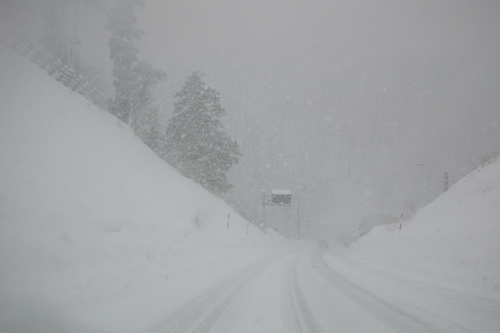
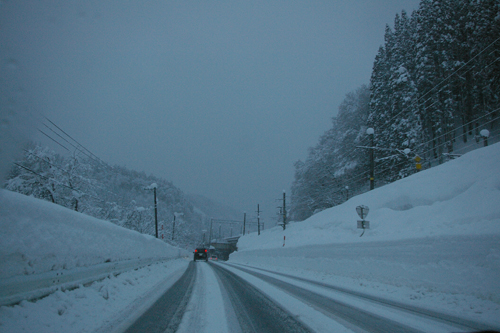
Snow; 仙台の降雪 :

Rain; 仙台での雨 :
雨の定禅寺通り、メディアテーク前
Humidity; 団扇:

Things to note:
  1. Sendai's rainy season usually begins in late June to early July, which is later than in most cities in Japan. During this season, cold winds from the Okhotsk air mass, called "Yamase", blow in and depress daytime highs. Extremes range from −11.7 to +36.8 °C (11 to 98 °F)
  2. No central heating in mission homes or investigators homes. It's not as common to heat the entire house in Japan. If they have heaters, "Generally, they just heat one room at a time."
  3. Bicycling in the snow. It happens in Japan.
  4. Wear slippers inside your home. The floor gets very cold. In investigators homes, wear warm socks. It's customary to take your shoes off at the door. Wear shoes/boots that slip on and off easily.
    (My Grandmother is Japanese and she still does this even in America.)
  5. Water + Water = No evaporation. Your body uses water to regulate temperature by evaporating sweat, hence, the cooling effect. This works well when the air is dry. In Japan, the air is damp and heavy, so it can't evaporate very well causing the body to overheat. Paper fans are cheap and help or, if you prefer, you can use a dry cloth to pat dry. Cold + Water = Ice. In the cold, cover up to prevent frost bite. Warm + Wet = Mildew (stinky). There is a reason Japan takes extra care to stay clean. Your shoes and feet will need some extra attention after being on them so long. Cleanse them at the end of each day. Switch socks and shoes often. Let them dry before using them again.
    (My Grandmother loves the dryer, but not everyone in Japan has a dryer. She says most clothes are lightly damp after you hang dry them because of the humidity)
  6. Layering helps. While your home may be cold, unless you can afford a Kerosene heater or a "Kotatsu" (My Grandmother's favorite), you will enter investigators homes where your 'all in one' winter coat will be too hot, but too cold when you remove it. It's better to have layers to remove them as needed.